 𝙍𝙞𝙪𝙚𝙧پستمم
در اینجا چند پرامپت محبوب و ترند را برای شما آماده کردهام. کافی است آنها را همراه با عکس موردنظرتان به هوش مصنوعی بدهید تا نتایج جذاب و خلاقانهای دریافت کنید و از امکانات آن لذت ببرید.
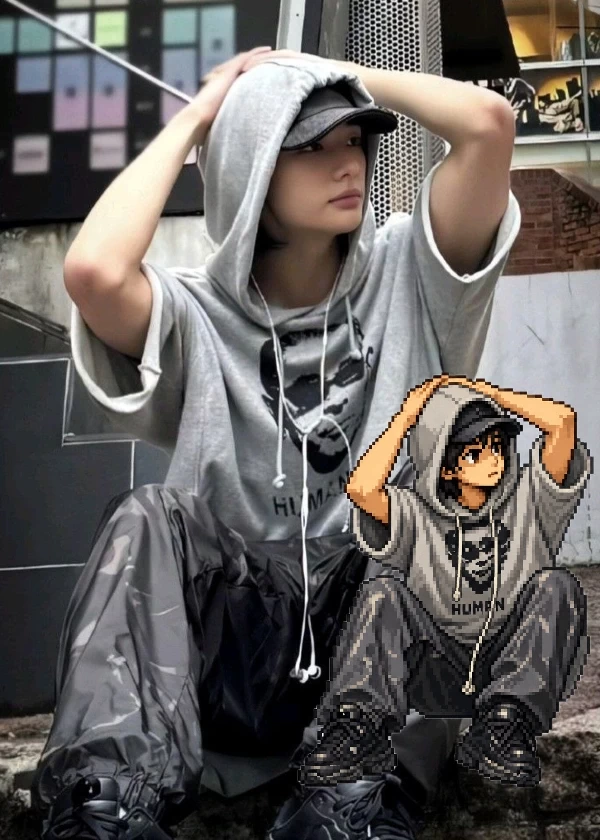
POSE PRESERVATION (EXTREMELY IMPORTANT): Carefully analyze and preserve the person's exact pose before transforming the image into pixel art. The body pose must be recreated with maximum accuracy. Preserve: exact head position head tilt angle neck direction shoulder angle shoulder height differences arm positions elbow angles wrist positions hand placement finger visibility when readable torso rotation torso lean direction spine curvature hip angle hip rotation leg positions knee bends foot placement foot angles stance width balance distribution center of gravity overall body silhouette Maintain the exact gesture and body language. If the person is: leaning forward, keep the forward lean leaning backward, keep the backward lean sitting, keep the sitting position crouching, keep the crouching position walking, keep the walking pose running, keep the running pose dancing, keep the dance pose jumping, keep the jump pose holding an object, keep the object interaction looking sideways, keep the viewing direction Do not replace the pose with a standard character stance. Do not convert the person into a generic front-facing sprite. Do not normalize, straighten, simplify, or redesign the original posture. The pixel-art character should appear as if the original person has been directly converted into a game sprite while frozen in the exact same moment. Pose accuracy is equally important as facial identity, hairstyle, clothing, and accessories. A viewer should be able to recognize the original reference image from the pose alone, even without facial details. Preserve the complete silhouette of the original pose. The final sprite must retain the same visual energy, movement, attitude, and body language as the reference photo.
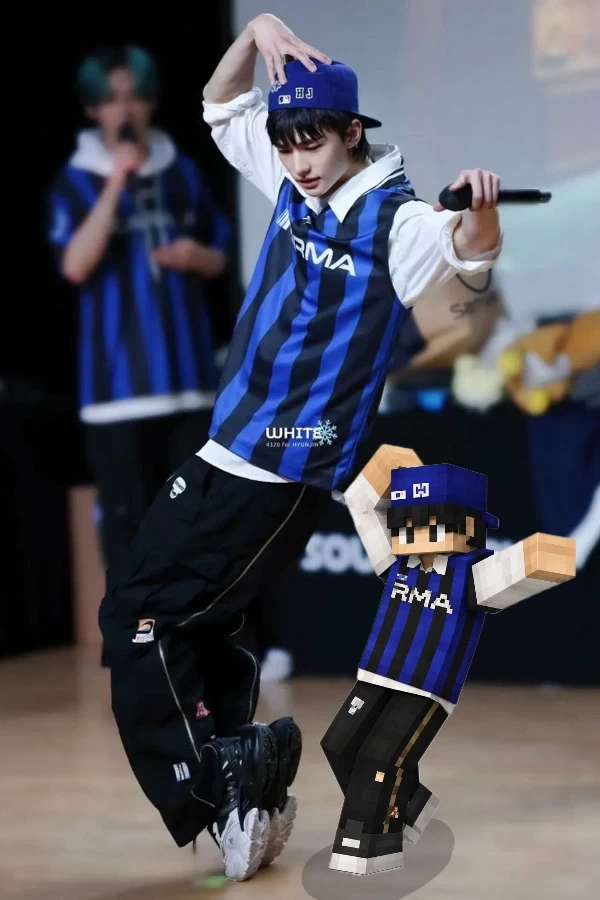
Transform the uploaded person into an authentic Minecraft-style human character. Carefully analyze and preserve the person's recognizable identity, including hairstyle, hair color, skin tone, clothing, outfit layers, accessories, footwear, body proportions, posture, and overall visual style. Recreate the person as a fully block-based Minecraft character built entirely from cubic voxel geometry. The character must look like an official Minecraft player skin brought into a high-quality 3D render. Maintain accurate outfit details, clothing colors, patterns, accessories, backpacks, jewelry, glasses, hats, and visible fashion elements while adapting them into Minecraft textures. Style Requirements: authentic Minecraft aesthetic voxel-based construction fully cubic geometry block-built human character official Minecraft skin design language Minecraft character proportions pixelated texture mapping low-resolution texture details clean voxel modeling game-accurate appearance Character Requirements: full body visible single character only front-facing or slight three-quarter pose standing naturally centered composition clean silhouette preserve original pose when possible recognizable as the uploaded person Visual Quality: high-quality 3D render professional game artwork soft global illumination subtle shadows clean lighting sharp texture details high-resolution output game promotional artwork quality Background: simple background transparent background or neutral studio backdrop no environment distractions no extra objects no text no logos no additional characters Avoid: realistic anatomy smooth surfaces rounded edges anime style cartoon style pixel-art sprites 2D illustration Lego appearance Roblox appearance Fortnite appearance generic voxel characters The final result should look exactly like the uploaded person reimagined as an official Minecraft character, with authentic Minecraft proportions, textures, and block-based construction.
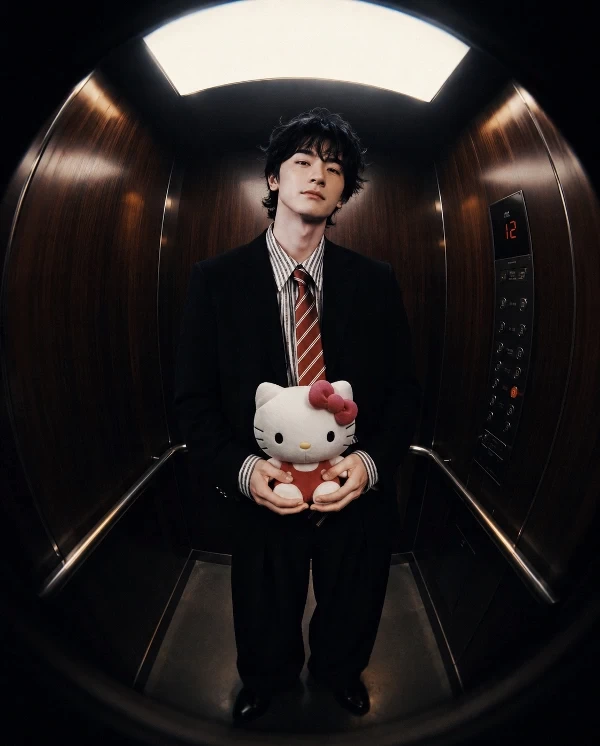
POSE PRESERVATION (HIGHEST PRIORITY) The original pose from the uploaded image must be preserved with the same importance as facial identity. Before applying any scene transformation, carefully analyze the person's complete body posture and reconstruct it with maximum accuracy. Preserve exactly: head position head tilt angle chin angle viewing direction eye direction neck angle shoulder position shoulder rotation shoulder height differences torso orientation torso rotation torso lean direction spine curvature chest angle hip position hip rotation weight distribution center of gravity arm placement upper arm angles elbow angles forearm angles wrist positions hand positions finger visibility and placement when readable leg positions thigh angles knee bends calf angles foot placement foot rotation stance width body balance overall silhouette The original gesture and body language must remain recognizable. The original pose is NOT a reference. The original pose is a requirement. If the person is: standing → preserve the exact standing posture leaning → preserve the exact lean angle sitting → preserve the exact sitting posture crouching → preserve the exact crouch kneeling → preserve the exact kneeling position walking → preserve the exact walking pose running → preserve the exact running pose jumping → preserve the exact jump posture dancing → preserve the exact dance movement crossing arms → preserve crossed arms hands in pockets → preserve hands in pockets touching face → preserve the hand-to-face interaction holding an object → preserve the hand positions and replace only the object with [PLUSH_OBJECT] looking sideways → preserve viewing direction looking down → preserve viewing direction looking up → preserve viewing direction Do not create a new pose. Do not convert the subject into a generic standing posture. Do not straighten the body. Do not center the body for convenience. Do not symmetrize the pose. Do not redesign the gesture. Do not adjust limbs into a more balanced composition. Do not reinterpret the body language. Do not generate a new posture based on the scene. The elevator environment must adapt to the pose. The pose must NOT adapt to the elevator. The final image should appear as if the original photograph was naturally captured inside the elevator with the same body language, same gesture, same posture, same visual energy, and same attitude. A viewer should be able to recognize the original reference image from the silhouette alone.
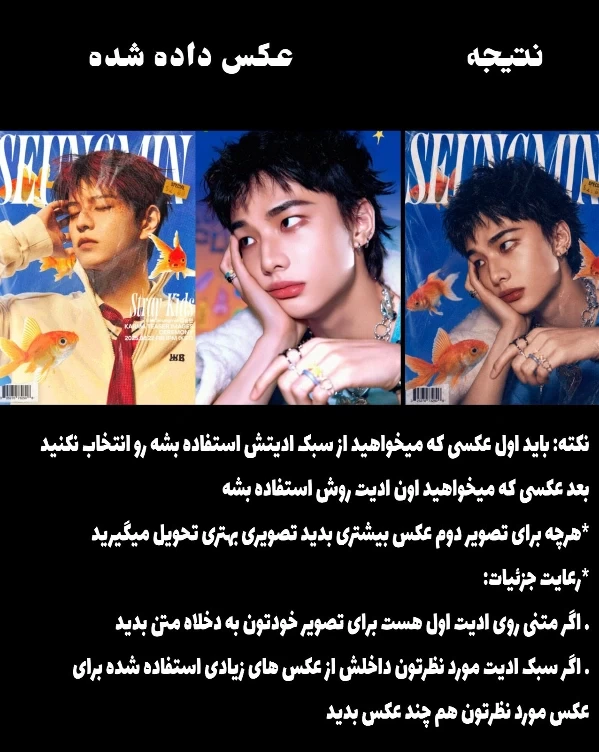
REFERENCE IMAGE ROLE (STRICT RULE): The first uploaded image is a STYLE REFERENCE ONLY. The second uploaded image is the CONTENT IMAGE. Never confuse these roles. The first image provides visual treatment only. The second image provides all content. ABSOLUTE PRESERVATION OF THE SECOND IMAGE: Preserve exactly: - identity - facial structure - facial proportions - eyes - nose - mouth - jawline - hairstyle - hair volume - hair shape - clothing - accessories - jewelry - glasses - hats - backpack - body proportions - body shape - body language - pose - hand positions - finger positions - camera angle - framing - perspective - composition - environment - background - object placement - scene structure Do not modify, redesign, replace, enhance, beautify, stylize, or reinterpret any content element from the second image. STYLE EXTRACTION FROM REFERENCE IMAGE: Carefully analyze and replicate: - color palette - color harmony - color grading - tonal balance - brightness distribution - contrast structure - highlight treatment - shadow treatment - exposure style - texture quality - grain pattern - film grain intensity - noise characteristics - softness - sharpness - bloom effects - diffusion effects - glow effects - atmosphere - emotional tone - visual mood - cinematic treatment - editing workflow - artistic direction - overall aesthetic identity STYLE TRANSFER INSTRUCTIONS: Transfer ONLY the visual treatment. Do NOT transfer: - people - faces - poses - objects - clothing - backgrounds - compositions - camera positions - props - symbols - graphic elements Only transfer the editing style. IDENTITY PROTECTION: The person in the second image must remain immediately recognizable. The final result should appear to be the exact same photograph edited by the artist who created the reference image. Not a redraw. Not a recreation. Not a reimagination. Not a stylization. The underlying photograph must remain intact. POSE PROTECTION: Treat the pose as locked. Treat body position as locked. Treat gesture as locked. Treat composition as locked. Treat camera perspective as locked. Do not move any body part. Do not rotate the subject. Do not alter posture. Do not change facial expression. ادامه در اسلاید بعد
STYLE MATCHING PRIORITY: Match with maximum accuracy: 1. Color grading 2. Lighting style 3. Texture treatment 4. Grain structure 5. Atmospheric mood 6. Contrast profile 7. Highlight behavior 8. Shadow behavior 9. Visual softness 10. Overall artistic identity QUALITY GOAL: The final image should look as if both images were captured during the same photoshoot, edited by the same editor, using the same camera processing pipeline, the same color grading workflow, the same texture treatment, and the same artistic vision. The viewer should immediately believe both images belong to the same visual series. Style accuracy: maximum. Identity preservation: maximum. Pose preservation: maximum. Composition preservation: maximum. Content preservation: maximum. Near one-to-one style transfer.
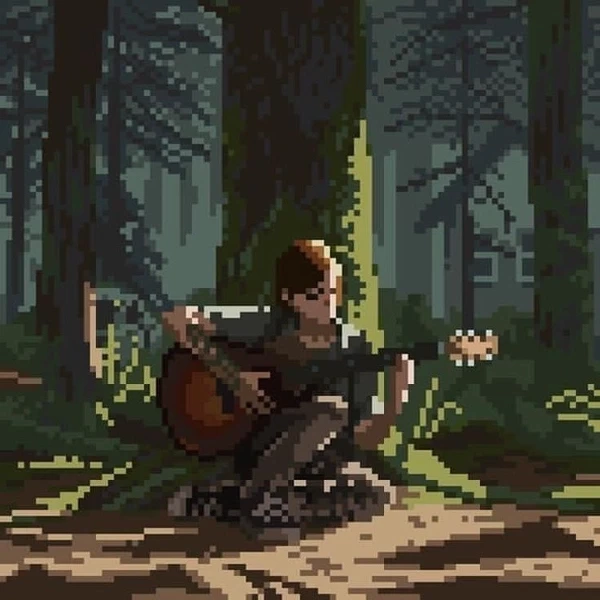
PIXEL ART CONVERSION PROMPT (HIGH ACCURACY IMAGE TRANSFORMATION) Convert the uploaded image into a high-quality pixel art illustration. The output must be a fully pixelated scene with handcrafted retro game aesthetic. CORE REQUIREMENTS: 1. SUBJECT PRESERVATION - Preserve the exact identity of the person or subject in the image - Preserve hairstyle, clothing, accessories, and color palette - Preserve body proportions and pose exactly as in the original image - Preserve camera angle, framing, and composition - Do NOT redesign the subject 2. PIXEL ART TRANSFORMATION - Convert all visual elements into authentic pixel art - Use visible square pixels (no smoothing, no blur, no anti-aliasing) - Maintain consistent pixel grid density across the entire image - Use simplified shapes while preserving recognizability - Apply manual-looking sprite shading (not AI smooth shading) 3. ENVIRONMENT CONVERSION - Convert background into pixel art environment matching original scene - Simplify textures into large pixel clusters - Preserve depth using layered pixel shading - Maintain original lighting direction but in pixel style 4. STYLE DIRECTION - 16-bit / 32-bit retro video game aesthetic - Indie RPG / adventure game style - Similar quality to Stardew Valley / classic SNES-style RPG backgrounds - Handcrafted sprite look, not AI-rendered smooth art - Slightly limited color palette for retro authenticity 5. LIGHTING & SHADING - Use block-based pixel lighting - Hard shadows (no gradients) - Controlled dithering for shading transitions - Maintain original light source direction 6. QUALITY RULES - No blur - No realistic rendering - No 3D effects - No vector style - No anime smoothing - No AI painterly effect - No anti-aliased edges 7. COMPOSITION RULES - Keep original pose exactly unchanged - Do not add or remove objects - Do not change perspective - Do not zoom or reframe subject FINAL OUTPUT GOAL: The final image must look like an official handcrafted sprite scene from a professional retro-style RPG game, where the uploaded photo has been faithfully converted into pixel art while keeping full recognizability of the subject and scene.




واقعا عالی و کاربردی بود خسته نباشی❤
ممنون ناز بچه 🍃🫴🏻
بهبههه
عالییی
ابن نظر لطفته 🫴🏻✨
پست عالی و با محتوایی بود خسته نباشی بیشتر از این سبک بساز (با عکس الی تو اسلاید آخر حال کردما)
ممنون شازده
عااالی، ناظر بودم🙂↕
ممنون 🫴🏻🍃
چه خوب
خیلی عالیه، خسته نباشی سازنده!💞
ممنون ناز بچه🫴🏻🍃
چقدررررر طولانی پشمام
برای رخ ندادن خطا و به حداقل رسوندن اشتباه باید طولانی و جز به جز باشه🗣💢
عالی بوودددد
یه خبر آوردم لازمه زیر پست ها بگم
امشب ساعت ۷ تو بلاگ یک دورهمی سبزیجاتی برگزار میشه که کاربرا اسم خودشون رو یه سبزیجات می زارن و ازش پست هم ساخته میشه
ممنون ناز بچه🫴🏻🍃
هوم جالبه
عالییی بودددد خسته نباشییی
ممنون نازبلا🫵🏻🎀
خیلی خفن بودن ممنون🙌
این نظر لطفته جناب🫴🏻🍃
عرر خیلی کاربردینننن
مرسیی
عالی بوددد
خوشحالم که پسندیدی نازبچه🫴🏻🍃
ذوقق بوس بهتت